Understanding the TradingView Platform
In today's fast-paced financial markets, the ability to analyze data effectively is crucial for traders and investors alike. TradingView has emerged as a powerful tool that not only simplifies complex market information but also streamlines research workflows. With its user-friendly interface and robust analytical features, TradingView enables users to execute a comprehensive trading process, encompassing everything from market observation to strategy validation.
What is TradingView and How Does It Work?
TradingView is a cloud-based platform that offers advanced charting tools, real-time market data, and social networking for traders. It allows users to create highly customizable charts and analyze various asset classes including stocks, forex, cryptocurrencies, and derivatives. The platform operates on a freemium model, providing essential tools for free while offering premium features for a subscription fee. Users can access TradingView via web browsers, desktop applications, or mobile devices, ensuring that they can trade anytime, anywhere.
Key Features of TradingView for Traders
TradingView stands out for its plethora of features designed to enhance the trading experience:
- Customizable Charts: Users can create multi-layout charts with various time frames and dozens of indicators, allowing for personalized analysis.
- Screeners and Alerts: The platform includes stock and crypto screeners that enable users to filter assets by performance metrics. Alerts can be set for price movements or indicator triggers, so traders never miss a critical moment.
- Public Library of Ideas: TradingView’s community feature allows traders to share their insights and analysis, creating a collaborative environment for learning and strategy development.
- Backtesting Tools: The built-in Strategy Tester allows users to backtest their trading strategies against historical data, optimizing their approaches before putting real capital at risk.
The Role of TradingView in Financial Markets
As financial markets become increasingly complex, tools like TradingView play an essential role in helping traders make informed decisions. By integrating technical analysis with social media elements, TradingView fosters a community of engaged traders who can share insights, strategies, and market observations. This synergy makes it easier for both novice and experienced traders to enhance their market understanding and trading effectiveness.
Setting Up Your Trading Environment with TradingView
Creating Customized Charts and Layouts
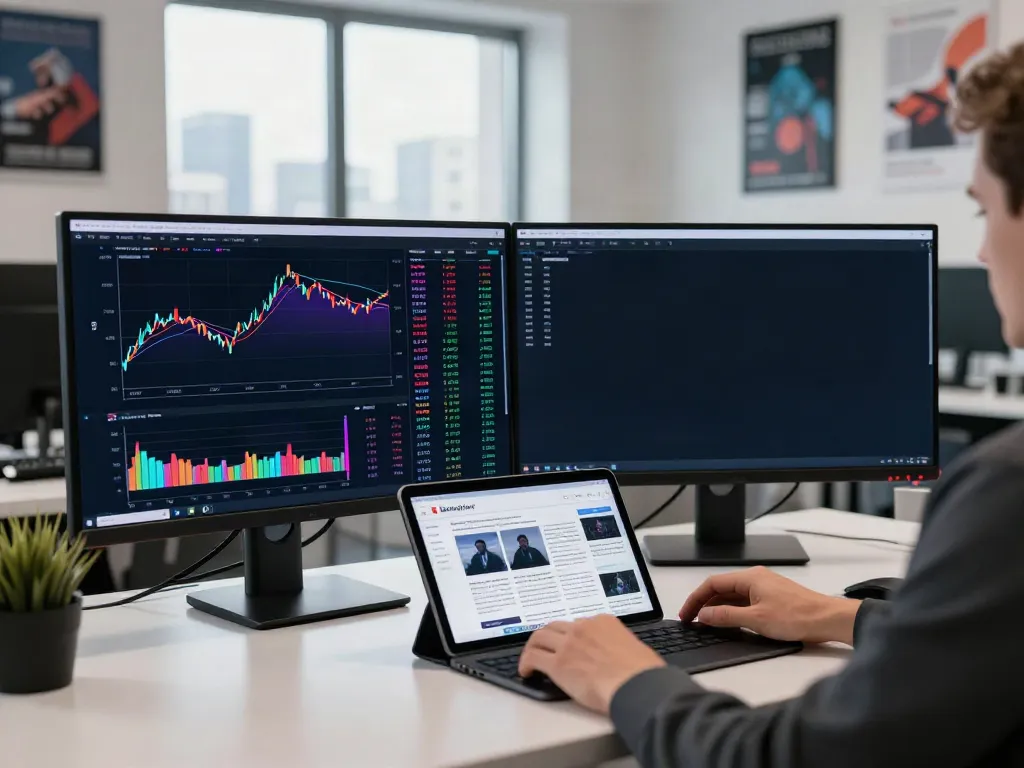
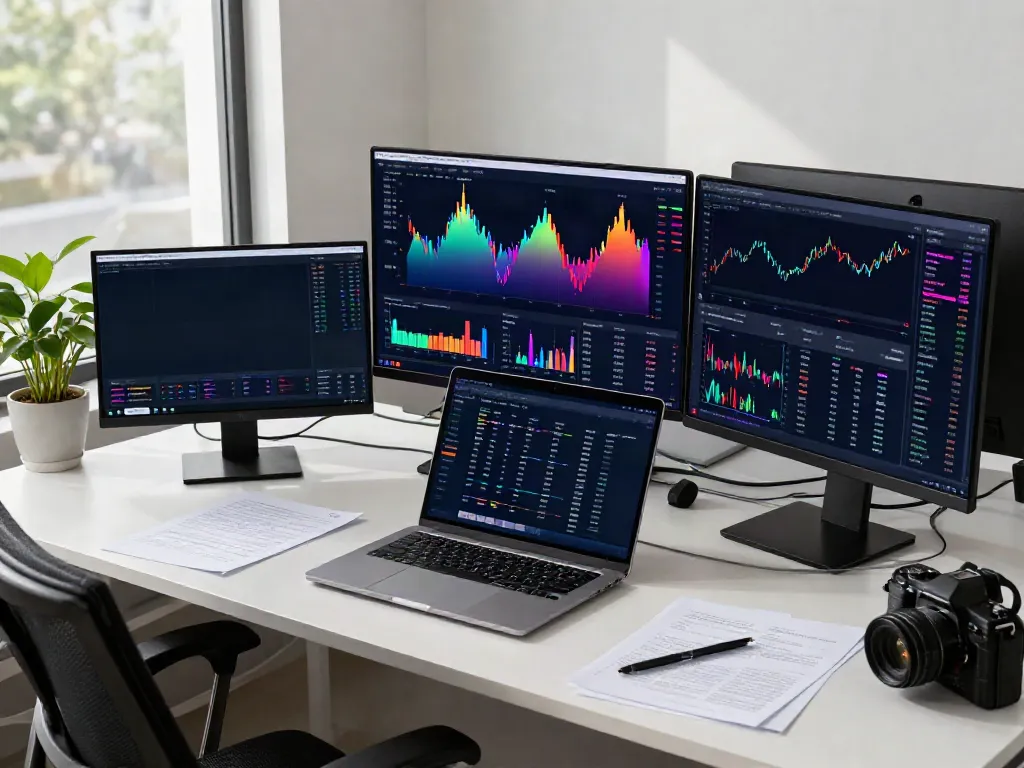
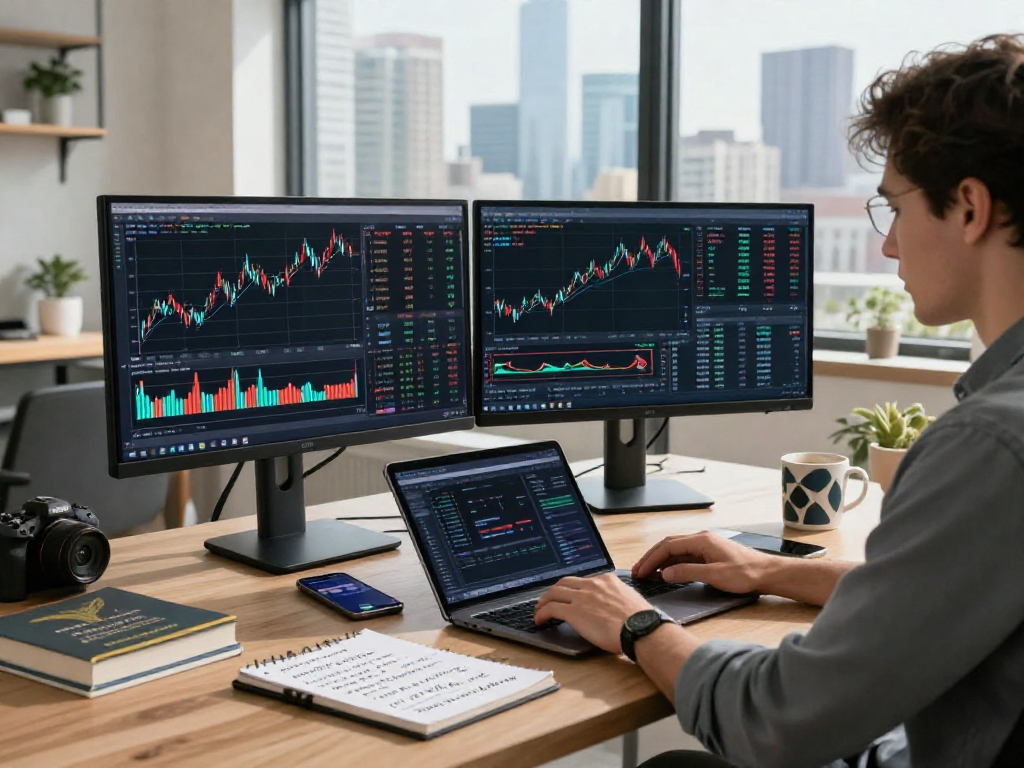
One of the first steps to mastering TradingView is setting up your charting environment. The platform offers extensive customization options, enabling users to tailor their layouts according to their trading strategies. Traders can add multiple charts to one screen, utilize a variety of technical indicators, and customize time frames to align with specific trading styles.
Integrating TradingView with Other Tools
To maximize the benefits of TradingView, integration with other trading tools is key. Whether you are using an external trading interface or portfolio management software, TradingView’s API allows for seamless collaboration. This integration ensures that traders have all their necessary tools in one place, minimizing the need for constant switching between applications.
Establishing Effective Alerts and Notifications
Setting alerts is a crucial aspect of maintaining a successful trading strategy on TradingView. The platform allows traders to establish custom alerts based on price points or technical indicators. These notifications can be sent via email or directly to mobile devices, ensuring that traders remain informed and can act quickly when opportunities arise.
Developing a Trading Strategy Using TradingView
Using Pine Script for Custom Indicators
Pine Script is TradingView's proprietary scripting language that empowers users to create custom indicators and strategies. This feature is particularly beneficial for traders looking to automate specific trading conditions. By coding their indicators, traders can implement complex strategies that might not be available in standard offerings.
Backtesting Strategies with TradingView's Strategy Tester
The Strategy Tester feature allows traders to evaluate their strategies based on historical data. This functionality is invaluable for refining techniques, as it helps traders understand how their strategies would have performed in different market conditions. Adjustments can be made based on these insights to optimize future trades.
Analyzing Historical Data for Predictive Trading
Historical data analysis is foundational to predictive trading. TradingView provides access to extensive historical datasets that traders can use for backtesting and understanding market trends. By analyzing past performance, traders can identify patterns and make more informed predictions about future price movements.
Community Insights and Collaboration on TradingView
Engaging with Other Traders in the TradingView Community
The community aspect of TradingView is one of its standout features, allowing traders to connect, share, and learn from one another. Engaging with other traders through comments, discussions, and shared ideas can enhance a trader's knowledge base and provide new perspectives on market opportunities.
Sharing and Learning Trading Strategies
TradingView also provides the perfect platform for sharing trading strategies. Users can publish their ideas and analysis, inviting feedback and collaboration from others. This environment of collective learning supports the continuous evolution of trading strategies, where sharing knowledge can lead to improved outcomes for everyone involved.
Utilizing Community Ideas and Scripts for Trading
Traders can benefit from the plethora of community-generated ideas and scripts available on TradingView. By reviewing the popular ideas, traders can discover new strategies and insights. The ability to adapt and incorporate these community contributions can spark innovative approaches to trading.
Future Trends and Innovations for TradingView in 2026
Anticipating Changes in Market Research Tools
As we look toward 2026, the trading landscape is expected to evolve significantly, driven by advancements in technology. Emerging market research tools are likely to become more sophisticated, integrating data analytics, social sentiment, and AI-driven insights into a cohesive trading experience. TradingView will need to stay ahead of these trends to maintain its competitive edge.
Integrating AI and Machine Learning into TradingView
The integration of AI and machine learning will be a game-changer for platforms like TradingView. These technologies can analyze vast datasets to provide predictive analytics and real-time trading signals. As AI capabilities improve, TradingView users could benefit from more accurate forecasts and personalized trading recommendations.
Preparing for Market Shifts and New Technologies
To remain relevant, TradingView must continue to adapt to market shifts and technological advancements. This could include enhancing mobile capabilities, developing new charting tools, and expanding collaboration features. Embracing new technologies will be crucial for enabling traders to navigate the complexities of modern markets effectively.