Understanding Technical Indicators in Crypto Trading
In the rapidly evolving world of cryptocurrency, the ability to make informed trading decisions can be the difference between profit and loss. At the core of these decisions lies the understanding of technical indicators. Utilizing sophisticated methodologies, traders can analyze market trends and price movements to craft their strategies. As blockchain technology continues to innovate, tapping into high-quality data sources, such as a technical indicators API, becomes paramount for successful trading. This introduction sets the stage for a deep dive into the benefits and features of technical indicators APIs and how they empower traders in various market scenarios.
What Are Technical Indicators?
Technical indicators are specialized data points derived from historical price and volume data. These indicators help traders to identify trends, forecast future price movements, and make strategic decisions based on quantifiable metrics. Ranging from simple moving averages to complex oscillators, the primary types of indicators include:
- Trend indicators: Such as Moving Averages (MA) and Average Directional Index (ADX), which help traders identify the general direction of the asset price.
- Momentum indicators: Including the Relative Strength Index (RSI) and Moving Average Convergence Divergence (MACD), these indicate the strength of price movements.
- Volatility indicators: Such as Bollinger Bands, provide insights into the degree of price fluctuation over a given timeframe.
- Volume indicators: These include On-Balance Volume (OBV) which help determine the strength of a trend based on trading volume.
Importance of Real-Time Data for Traders
Access to real-time data is crucial for traders in the crypto market. Given the volatility that characterizes cryptocurrencies, decisions made with outdated information can lead to undesirable outcomes. Real-time stock APIs, like those offered by iTick, provide up-to-date market data from various exchanges, helping traders to execute timelier and more informed trades. The availability of instant order books and historical data through these APIs enhances the decision-making capabilities of traders in both the short and long term.
How to Select Indicators for Your Trading Strategy
Selecting the right technical indicators is pivotal to developing a successful trading strategy. Factors to consider include:
- Your trading timeframe: Different strategies exist for day trading, swing trading, and long-term investing.
- Market conditions: Different indicators work better in trending markets compared to range-bound markets.
- Your risk tolerance: More complex indicators may present valuable insights but can also lead to information overload.
- Backtesting capabilities: The ability to test the effectiveness of indicators with historical data is essential.
Features of Technical Indicators APIs
Data Coverage: What Markets Are Included?
An effective technical indicators API should offer extensive market coverage. iTick covers over 50 global exchanges, including US, HK, and A-shares, providing traders with the much-needed breadth of data. This diverse coverage ensures that traders can analyze a range of assets from various markets and make connections that could identify arbitrage or investment opportunities.
Latency and Reliability: Speed Matters
In trading, latency can significantly impact performance. When using a technical indicators API, the speed and reliability of data transmission are critical. APIs with lower latency ensure that traders receive market data almost instantaneously, facilitating quick decision-making and order execution. A reliable API helps traders avoid slippage, which occurs when the executed price differs from the expected price due to latency.
Supported Protocols: WebSocket vs. RESTful API
Technical indicators APIs typically support various protocols for data delivery. WebSocket APIs allow for a two-way interactive communication session between the client and server, providing real-time updates without the need to repeatedly fetch data. In contrast, RESTful APIs generally follow a request-response model and are suitable for less time-sensitive applications. Understanding the differences can help traders choose the right API based on their specific needs.
Utilizing Technical Indicators for Strategy Development
Integrating Indicators into Trading Platforms
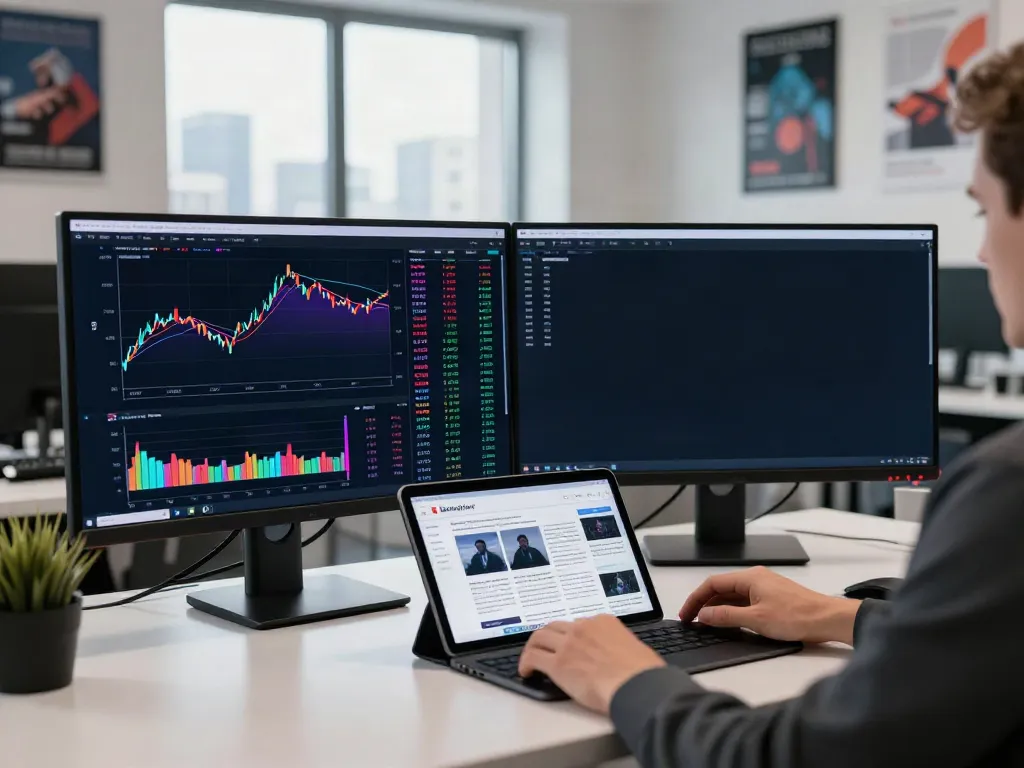
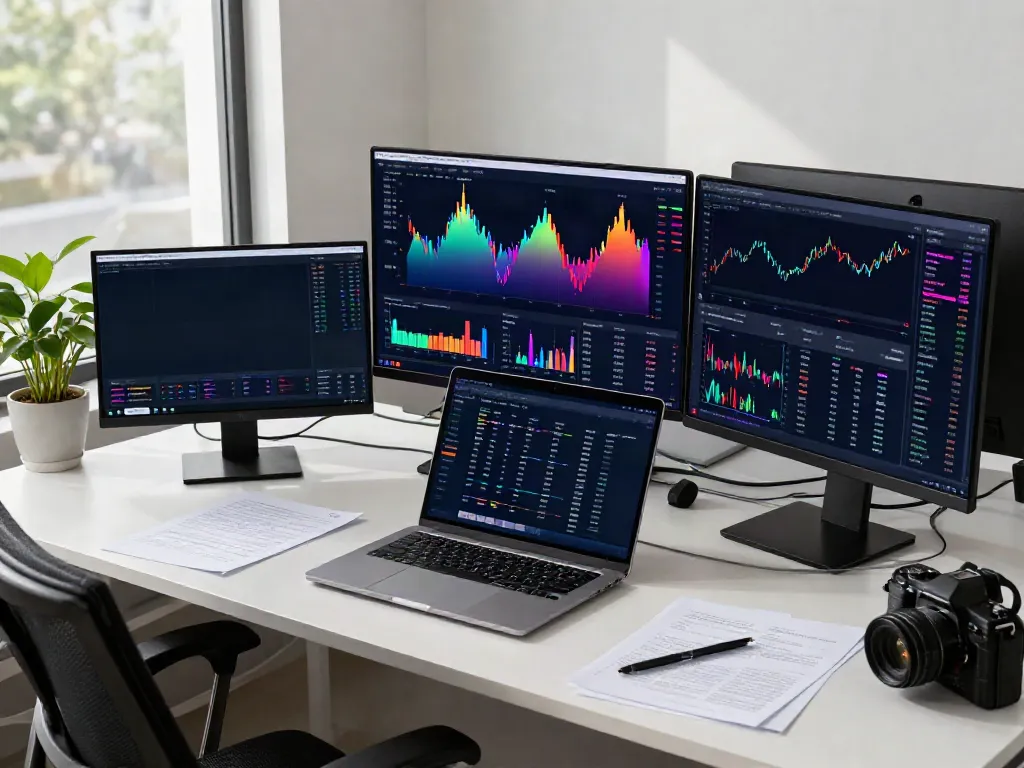
Integration of technical indicators into trading platforms allows traders to visualize data more effectively. By utilizing graphical representations such as charts and interfaces that facilitate easy access to the indicators, traders can formulate strategies that maximize their insights and trading effectiveness. Many platforms offer built-in support for common technical indicators, while custom API integrations provide advanced users with the flexibility to tailor their setups.
Developing Algorithmic Trading Strategies
Algorithmic trading refers to the use of computer algorithms to automate trading decisions. By leveraging technical indicators, traders can script their algorithms to initiate trades when specific conditions are met, such as crossing certain moving averages or when RSI indicates overbought or oversold conditions. This technology-driven approach can increase efficiency and reduce emotional trading errors.
Backtesting Strategies: Importance and Methodology
Backtesting involves applying a trading strategy against historical data to assess its potential performance. This practice is crucial in validating the effectiveness of various indicators and ensuring that your trading strategies align with market behavior. Backtesting helps in adjusting parameters and refining strategies to maximize profit potential while managing risk.
Security Considerations for API Users
Protecting Your API Key: Best Practices
API keys are essential for securing your interactions with the API. It is vital to keep your API keys confidential and adopt strategies such as limiting API key permissions, using environment variables, and regularly rotating keys to minimize risks.
Identifying and Avoiding Common Scams
The cryptocurrency sector is rife with fraudulent activities, from phishing attacks to rug pulls. It is important for traders to be vigilant by ensuring that they only interact with reputable exchanges and services. Always verify website URLs and never divulge personal credentials.
Regulatory Compliance: Understanding the Risks
As cryptocurrency regulations evolve, staying compliant with applicable laws is crucial for avoiding legal repercussions. Understand the jurisdiction-specific regulations surrounding cryptocurrencies, and ensure that your trading activities adhere to Anti-Money Laundering (AML) and Know Your Customer (KYC) requirements. Consulting a qualified financial advisor can provide further insights into compliance risks and obligations.
The Future of Technical Indicators in Crypto Trading
Emerging Trends in Data Analytics and Trading
The use of data analytics in crypto trading continues to evolve rapidly. Advanced analytics tools, such as machine learning and big data technologies, are becoming integrated into trading strategies, enabling more nuanced interpretations of market trends and conditions. This heralds the dawn of smarter trading approaches driven by data.
Impact of AI on Technical Analysis
Artificial intelligence (AI) has the potential to transform technical analysis further. By leveraging AI models, traders can analyze massive datasets for patterns that may not be apparent to the human eye. These models can adapt as market conditions change, potentially offering traders new opportunities for profitability.
What to Expect in the Next Five Years
As technology and regulations progress, the landscape of cryptocurrency trading will continue to evolve. Expect increased integration of AI and data analytics in trading strategies, enhanced security measures, and more extensive regulatory frameworks to provide a clearer operational environment for traders.
What are the most commonly used technical indicators?
The most commonly utilized indicators include Moving Averages (MA), Relative Strength Index (RSI), Moving Average Convergence Divergence (MACD), Bollinger Bands, and On-Balance Volume (OBV), each serving different analytical purposes.
How can technical indicators improve trading results?
By providing quantifiable insights into market trends, technical indicators can help traders make more informed decisions, identifying ideal entry and exit points, thus optimizing their potential for profitability.
What should I consider when choosing an API?
Key factors to consider when selecting an API include data accuracy, market coverage, latency, reliability, and the protocols supported. Additionally, assess the security features and compliance with regulations.
How do I ensure the security of my trading data?
To ensure security, utilize strong authentication methods, keep software updated, avoid sharing private keys, and regularly monitor accounts for suspicious activities.
What are the latest trends in cryptocurrency trading indicators?
Current trends include the integration of AI for predictive analysis, more comprehensive data analytics capabilities, and expanding retargeting of user behavior for algorithmic trading strategies.