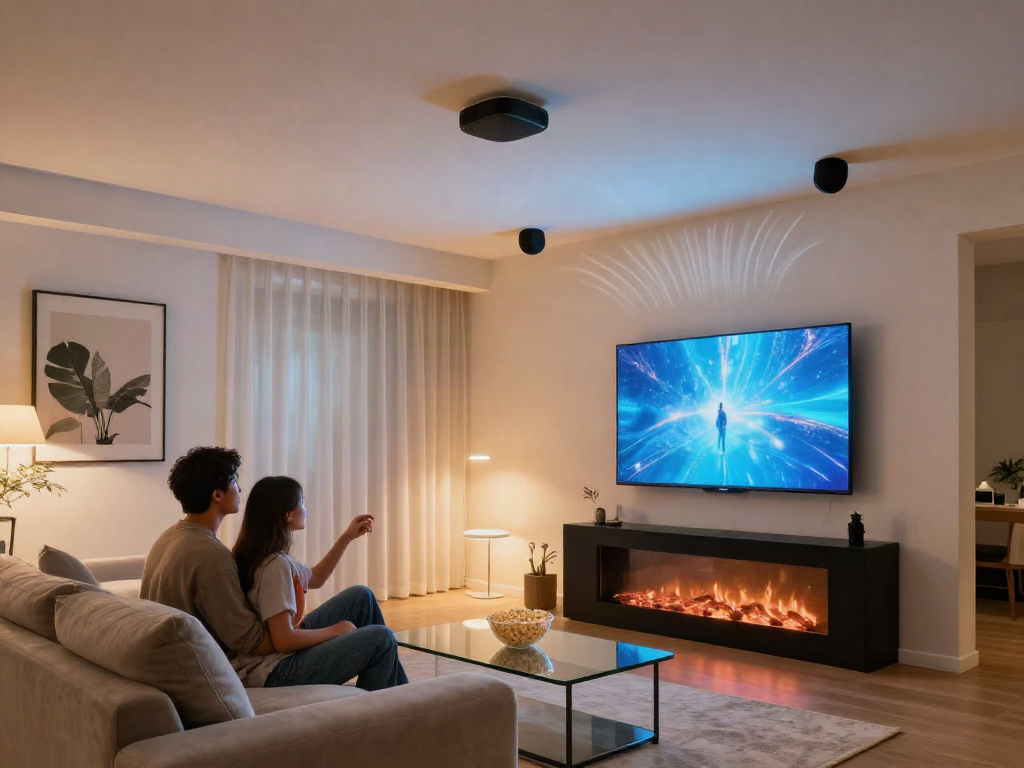
Understanding Ceiling Speakers: The Basics
As homes become smarter and integrated audio systems gain popularity, اسپیکر سقفی have emerged as a pivotal component in modern audio systems. These ceiling-mounted audio devices offer an array of advantages over traditional speakers, providing seamless aesthetics and immersive sound experiences. In this article, we will explore the essentials of ceiling speakers, their benefits, installation considerations, and how they can revolutionize your home audio setup.
What Are اسپیکر سقفی?
Ceiling speakers, or اسپیکر سقفی in Persian, are a type of audio speaker designed to be installed directly into the ceiling, allowing for discreet operation while delivering high-quality sound. Unlike traditional floor or wall-mounted speakers, ceiling speakers are ideally suited for those seeking a minimalist design without compromising audio performance. They are commonly used in home theaters, public spaces, and commercial environments.
Key Features and Benefits of Ceiling Speakers
- Discreet Design: Their installation within the ceiling allows for a clean and uncluttered appearance in your space.
- Space Efficiency: They save floor space, making them ideal for smaller rooms or areas where space is at a premium.
- Even Sound Distribution: Ceiling speakers provide more uniform sound coverage, reducing dead spots commonly found with traditional speakers.
- Multiple Placement Options: They can be strategically positioned to optimize sound quality throughout your home or office.
Types of Ceiling Speakers Available
When considering ceiling speakers, it's essential to understand the different types available in the market:
- Passive Speakers: These require an external amplifier to function and generally offer better sound quality due to their robust components.
- Active Speakers: Built-in amplifiers make installation easier, but they might not provide the same audio fidelity as passive speakers.
- Weather-Resistant Speakers: Ideal for outdoor installations, these are designed to withstand moisture and temperature fluctuations.
- In-Ceiling Wireless Speakers: These speakers connect via Wi-Fi or Bluetooth, offering a tangle-free installation and convenient connectivity.
Installation Considerations for Ceiling Speakers
Installing ceiling speakers requires careful planning and consideration to maximize their acoustic potential and aesthetic appeal. Here are some primary factors to keep in mind:
DIY vs Professional Installation: What to Choose?
While some homeowners may opt for a DIY installation because it can save costs, hiring a professional often provides better results. Experts can ensure optimal placement, correct wiring, and proper integration with your existing audio system.
Common Installation Mistakes to Avoid
- Poor Speaker Placement: Placing speakers too close to walls or corners can lead to unwanted bass buildup and muddied sound.
- Inadequate Cabling: Using insufficient or poor-quality cables can degrade sound quality. Ensure high-quality cabling is used to avoid interference.
- Ignoring Ceiling Joists: Failing to consider the location of ceiling joists can complicate installation and affect sound quality.
Optimal Placement Strategies for Superior Sound
To achieve the best audio experience, place speakers based on the room's layout:
- Install speakers at least two feet away from walls and corners to avoid acoustic issues.
- Space out speakers evenly to ensure balanced sound distribution.
- Consider the listening height when determining speaker placement.
Enhancing Home Audio with Ceiling Speakers
Ceiling speakers offer diverse possibilities for enhancing your home audio experience. Here are some ways to make the most out of them:
How to Integrate with Existing Audio Systems
Integrating ceiling speakers into your current setup can be straightforward. Connect them to your existing receiver, ensuring it supports multiple speaker outputs for optimal performance.
Using Ceiling Speakers for Whole Home Audio
Consider using ceiling speakers as part of a whole-home audio system. This setup allows you to enjoy synchronized music throughout different rooms, enhancing your overall audio experience.
Sound Quality Tips: Maximizing Your Setup
To ensure you’re getting the best out of your ceiling speakers:
- Utilize quality wiring and connectors to prevent signal loss.
- Use an equalizer to adjust sound frequencies according to your room's acoustics.
- Regularly check for obstructions that may affect sound performance.
Comparing Ceiling Speakers to Other Audio Solutions
Understanding how ceiling speakers stack up against other audio solutions can aid in your decision-making process.
Ceiling Speakers vs Wall Speakers: Pros and Cons
Wall speakers require more space and are more visible than ceiling speakers. However, they often deliver superior bass and clarity. Conversely, ceiling speakers maintain a clean look and save space but may not perform as robustly in low-frequency sound.
Evaluating Performance Against Soundbars
Soundbars are another popular choice for home audio, particularly for TV setups. While they are easier to set up and usually provide excellent sound for movies, ceiling speakers offer a more immersive audio experience, particularly for music, making them a more versatile choice for audio enthusiasts.
Cost-Effectiveness: Are Ceiling Speakers Worth It?
Investing in ceiling speakers can be cost-effective if you value sound quality and aesthetics. While initial costs may be higher than traditional speakers, their discreet installation and superior sound distribution often justify the expense.
Future Trends: What’s Next for Ceiling Speakers in 2026?
As technology continues to evolve, so do ceiling speakers. Here’s what you can expect to see in the near future:
Innovative Technologies Impacting Ceiling Speakers
Advancements in smart technology and wireless connectivity are set to redefine ceiling speaker capabilities, offering enhanced control and functionality.
Sustainability in Audio Equipment Design
With increasing awareness of environmental issues, manufacturers are likely to focus on designing sustainable audio equipment, including the use of eco-friendly materials and energy-efficient components.
Customer Preferences Influencing Future Designs
As consumer tastes evolve, expect more customizable options where users can select designs and finishes that match their home decor.
Frequently Asked Questions:
How do ceiling speakers compare to traditional speakers?
Ceiling speakers provide a more discreet and space-efficient option without sacrificing sound quality. However, traditional speakers often deliver more robust low-frequency sound and may be preferred for dedicated audio setups.
What is the average lifespan of ceiling speakers?
With proper care and installation, ceiling speakers can last 10 to 20 years, depending on their quality and usage conditions.
Can I use ceiling speakers outdoors?
While standard ceiling speakers may not be suitable for outdoor use, weather-resistant options are available designed to withstand the elements, making them a viable choice for outdoor installations.
What are the best brands for ceiling speakers?
Some reputable brands include Bose, Klipsch, and JBL, known for their high-quality audio performance and reliable products.
How to maintain ceiling speakers for optimal performance?
Regular cleaning, checking connections, and avoiding exposure to moisture can help maintain ceiling speakers in optimal working condition.