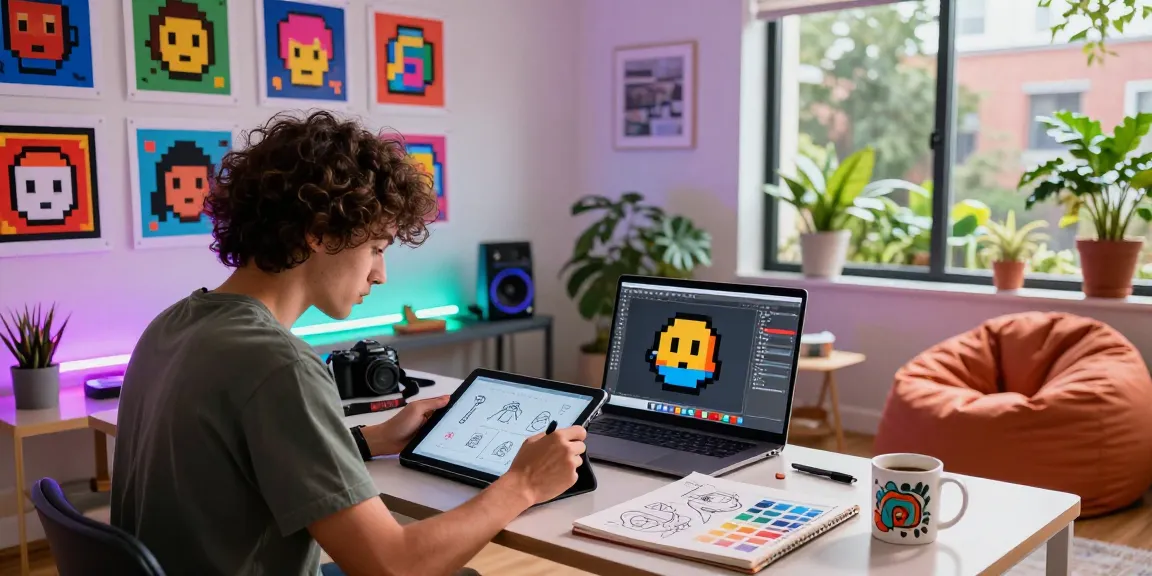
Understanding Pixel Art Displays
In recent years, pixel art displays have gained significant traction among artists, gamers, and designers. These vibrant screens not only showcase stunning visual art but also create an immersive experience that taps into the nostalgia of retro gaming and digital art. For enthusiasts and professionals alike, investing in a quality pixel art display can enhance creativity and bring digital creations to life in a way that traditional displays often cannot.
What is a Pixel Art Display?
A pixel art display is a screen specifically designed to showcase pixel art, which is a form of digital art created through the careful arrangement of individual pixels. These displays are characterized by their ability to reproduce vibrant colors and sharp contrasts, making them ideal for displaying low-resolution graphics, such as those found in classic video games. Typically, pixel art displays feature a unique resolution that aligns with the pixel art aesthetic, allowing for a faithful representation of the original artwork.
The Evolution of Pixel Art Technology
Pixel art has its roots in the early days of computing and video gaming, where limitations in graphical processing power led artists to embrace a blocky, simplistic style. Over the decades, technology has evolved, but the charm of pixel art remains strong. Early pixel art displays were basic CRT monitors with limited capabilities. Today, advancements in LCD and OLED technologies have transformed pixel art displays into high-definition screens that can reproduce vibrant colors and intricate details, allowing artists to push the boundaries of their creativity.
Benefits of Using a Pixel Art Display
Investing in a pixel art display offers numerous advantages:
- Enhanced Color Accuracy: Modern pixel art displays utilize advanced color technologies that ensure accurate representation of the artist's vision.
- Improved Viewing Angles: High-quality displays provide consistent visuals from various angles, making them suitable for collaborative work.
- Nostalgic Experience: For gamers and artists, these displays evoke memories of classic games and retro art styles, providing an emotional connection to the creations.
- Portability: Many Pixel art displays are compact and lightweight, making them easy to transport for events, exhibitions, or studio settings.
Choosing the Right Pixel Art Display
When selecting a pixel art display, several critical factors should influence your decision. Understanding these aspects can help you choose a model that meets your needs effectively.
Key Features to Consider
Before making a purchase, consider the following features:
- Resolution: Look for displays that offer resolutions compatible with pixel art, such as 64x64, 128x128, or higher, to preserve the integrity of your work.
- Size: Display size can affect usability and visibility, so choose a size that fits comfortably in your workspace.
- Color Depth: The number of colors a display can show is crucial in art creation. A higher color depth results in more vibrant and nuanced images.
- Connectivity: Ensure the display has the necessary ports (USB, HDMI, etc.) and compatibility with your devices.
Comparing Display Types: LCD vs. OLED
When it comes to pixel art displays, the choice between LCD and OLED technology can significantly impact your experience:
- LCD: Generally more affordable, LCDs provide decent color reproduction and brightness but may struggle with deep black levels and contrast.
- OLED: OLED screens offer superior contrast ratios and vibrant colors, making them excellent for showcasing pixel art with high fidelity. However, they may come at a higher price point.
Budget Considerations for Pixel Art Displays
Setting a budget for your pixel art display is essential. Prices can range significantly based on size, resolution, and technology. While entry-level models may cost less, investing in a higher-quality display can enhance your workflow and creative output. Consider your needs and frequency of use when determining how much you are willing to invest.
Maximizing Your Pixel Art Experience
Once you have chosen the right pixel art display, it's time to optimize your experience to get the most out of your equipment.
Software Recommendations for Pixel Art Creation
The right software can make a significant difference in your pixel art creation process. Popular options include:
- Aseprite: A versatile tool designed specifically for pixel art, providing a variety of features tailored to artists.
- GraphicsGale: A robust software with animation capabilities, perfect for creating dynamic pixel art.
- Piskel: A free online tool that offers essential features for beginners and advanced users alike.
Optimizing Display Settings for Best Visuals
To achieve the best visual output from your pixel art display, consider adjusting brightness, contrast, and color profiles to match your working environment. Calibrating your display can enhance accuracy and ensure that colors appear as intended, which is crucial for artists who want their work to translate well across different mediums.
Integrating Pixel Art Displays into Your Workflow
Incorporating a pixel art display into your artistic process means seamlessly blending it with your existing workflow. Whether you’re using it for sketching, animating, or finalizing pieces, ensure that it complements your style. Position it ergonomically to prevent strain and maintain productivity during long sessions.
Common Challenges with Pixel Art Displays
While pixel art displays provide numerous benefits, they are not without challenges. Understanding these can better prepare you for potential issues.
Dealing with Color Accuracy Issues
Color accuracy can be problematic due to variations between different displays. Using calibration tools or software can help achieve consistent colors across various devices, which is essential if you plan to showcase your artwork online or in print.
Understanding Resolution and Scaling Problems
When creating pixel art, it's vital to maintain the correct resolution to avoid scaling issues. Scaling up can lead to blurriness, while scaling down may result in lost detail. Be mindful of your display's native resolution to optimize your artwork's appearance.
Maintenance Tips for Longevity
To keep your pixel art display in optimal condition:
- Regularly clean the screen using a microfiber cloth to remove dust and fingerprints.
- Avoid displaying static images for long periods to prevent burn-in, especially if you have an OLED display.
- Follow the manufacturer's instructions for proper handling and storage to prevent damage.
Future Trends in Pixel Art Displays
As technology continues to advance, the future of pixel art displays looks promising. Here are some trends to watch in the coming years.
Emerging Technologies in 2026 and Beyond
In 2026, we can expect innovations such as enhanced resolution capabilities, improved refresh rates, and AI-driven color adjustments that will further bridge the gap between digital art and the viewer's experience.
Community and Collaboration in Pixel Art
The pixel art community continues to grow and thrive, with artists often sharing tools and techniques through collaborative projects. This culture of sharing will likely lead to more sophisticated and diverse art forms emerging from the community.
Staying Current with Pixel Art Trends
As styles and technologies evolve, keeping up with pixel art trends is essential for artists wishing to stay relevant. Engaging with online forums, attending workshops, and participating in contests can provide inspiration and valuable insights into the latest techniques and methods.
What are the best use cases for pixel art displays?
Pixel art displays are perfect for various applications, from creating digital artwork and animation to enhancing retro gaming experiences. They are particularly popular among indie game developers and digital artists who seek to replicate the nostalgic aesthetic of 8-bit and 16-bit graphics.
How can I improve my pixel art skills?
Improving your pixel art skills involves practice and learning. Engaging with online tutorials, joining pixel art communities, and analyzing the work of established artists can greatly enhance your technique. Regularly creating new pieces will also contribute to your growth as an artist.
Are pixel art displays worth the investment?
For those serious about pixel art, investing in a high-quality pixel art display can be worth it, enhancing not just the creative process but also the final output. The benefits of improved color accuracy and resolution can justify the cost for many artists.
What software is best for creating pixel art?
The best software for creating pixel art often depends on individual preferences. Popular choices like Aseprite and Piskel offer dedicated features for pixel art creation, while others may prefer general graphic design software with capabilities to produce pixel art.
Can pixel art displays be used for gaming?
Absolutely! Pixel art displays are ideally suited for gaming, especially for retro-style games or indie games that utilize pixel graphics. Their design ensures that games are displayed with clarity and vibrancy, enhancing the gaming experience for players.