Understanding Sheepadoodle Puppies
Are you considering adding a furry friend to your family? Sheepadoodle puppies might just be what you're looking for. These charming dogs, a mix between an Old English Sheepdog and a Poodle, combine the best of both breeds, offering affectionate companionship and playful energy. However, before you rush to adopt or purchase one, it's crucial to understand their unique characteristics, needs, and whether they fit into your lifestyle. When exploring options, Sheepadoodle puppies provide comprehensive insights into what it takes to care for these delightful pets.
What is a Sheepadoodle?
A Sheepadoodle is a designer dog breed that blends the Old English Sheepdog's gentle nature with the Poodle's intelligence and hypoallergenic coat. This hybrid breed is celebrated for its friendly disposition and versatility as a family pet. Sheepadoodles are often bred in different generations, including F1 (first generation) and F1B (backcrossed with a Poodle), which can influence their appearance and temperament.
Sheepadoodle Size Variations
One of the appealing aspects of Sheepadoodles is their variety in sizes. They generally fall into two categories: Standard Sheepadoodles and Miniature Sheepadoodles. Standard Sheepadoodles can weigh between 50-90 pounds and stand 18-27 inches tall, while Mini Sheepadoodles typically weigh 25-45 pounds and measure 15-20 inches. This size variation allows potential owners to choose a Sheepadoodle that best suits their living space and family needs.
Common Traits and Characteristics
Sheepadoodles are known for their friendly and affectionate traits. They are highly social, intelligent, and enjoy being part of family activities. Their playful nature makes them great companions for children and adults alike. However, potential owners should be aware that individual personality traits can vary significantly from puppy to puppy, so early socialization and training are essential.
The Right Environment for Sheepadoodle Puppies
Creating a suitable environment for your Sheepadoodle is vital for their happiness and well-being. These pups thrive in active households that can meet their exercise and social needs. When considering adding a Sheepadoodle to your home, think about space and the dynamics of your family life.
Ideal Living Space Considerations
Sheepadoodles are versatile when it comes to living arrangements. They can adapt well to both rural and urban settings, but they require plenty of exercise to keep them happy and healthy. If you live in an apartment, ensure that you can provide daily walks and playtime at a nearby park to meet their physical and mental stimulation needs.
Sheepadoodles and Family Dynamics
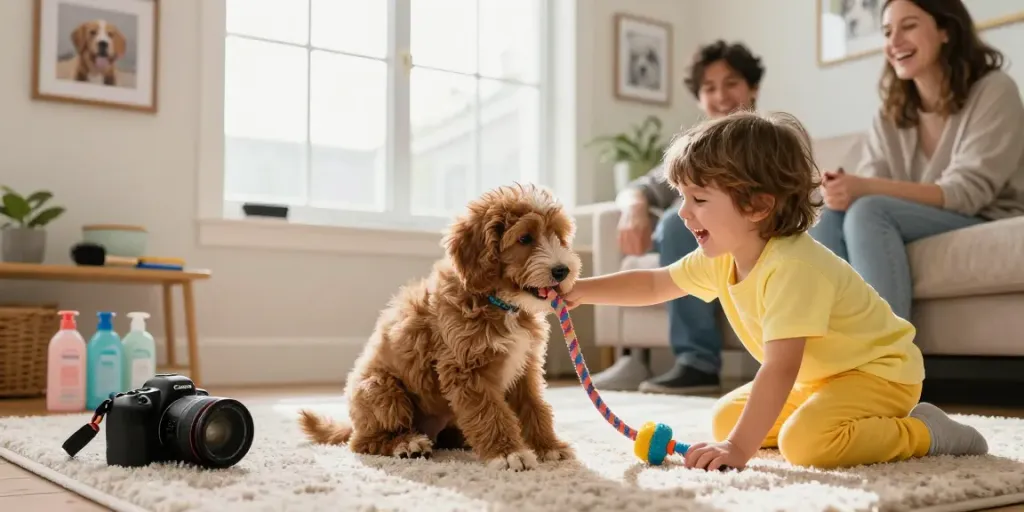
As family-oriented dogs, Sheepadoodles are known for getting along well with children and other pets. However, supervision is always necessary, especially with younger children, as their exuberance can sometimes lead to accidental knocks or jumps. Teaching children how to interact with the puppy will help foster a positive relationship between them.
Training Your Sheepadoodle for Home Life
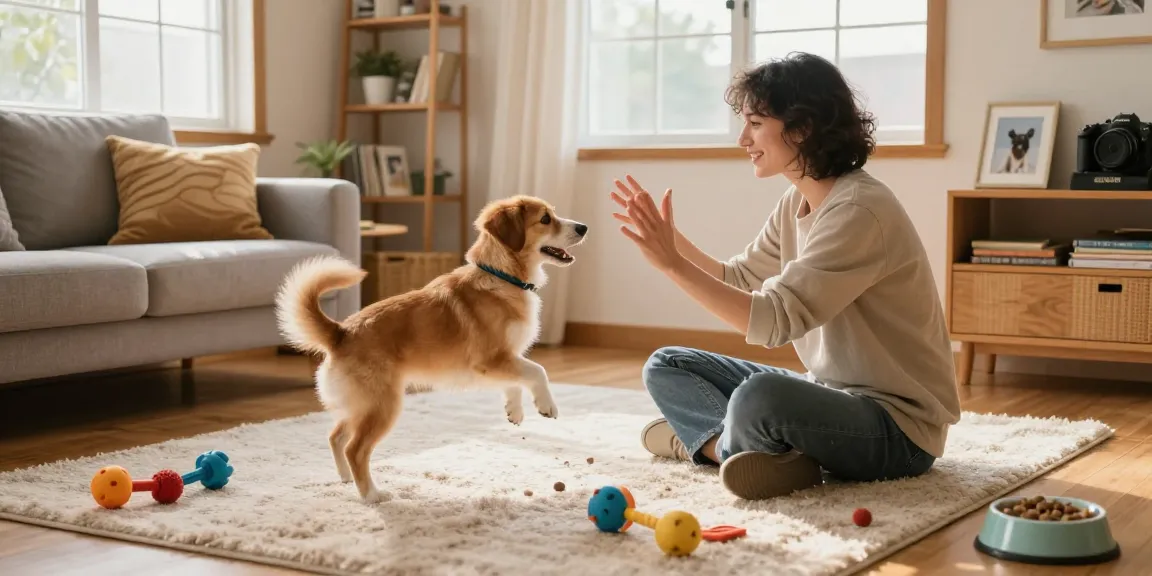
Training is essential for Sheepadoodles to thrive in a home setting. Focus on basic obedience commands and house-training during the early weeks. Positive reinforcement techniques work well with these intelligent dogs, allowing them to learn quickly and effectively. Socializing them with various environments, people, and other animals will help them develop a well-rounded personality.
Nurturing Your Sheepadoodle's Health
Maintaining your Sheepadoodle's health is an ongoing commitment that involves regular veterinary check-ups, a balanced diet, and appropriate exercise. Keeping abreast of common health concerns associated with the breed will help ensure they lead a healthy, happy life.
Regular Health Checks and Preventative Care
Routine veterinary visits are crucial for monitoring the overall health of your Sheepadoodle. Regular vaccinations, preventive medications, and dental care will help keep your puppy in peak condition. Additionally, consider discussing breed-specific health screenings with your veterinarian, as Sheepadoodles can be prone to certain genetic conditions.
Common Health Issues in Sheepadoodles
Sheepadoodles may face health challenges that affect both parent breeds. Common issues include hip dysplasia, eye disorders, and certain allergies. Understanding these potential risks can help you be proactive in monitoring your dog's well-being and ensuring a long, healthy life.
Understanding Sheepadoodle Lifespan and Care
The average lifespan of a Sheepadoodle ranges from 10 to 15 years, depending on their size and health. Providing a nutritious diet suitable for their growth stage, regular exercise, and mental stimulation can positively impact their longevity. It's crucial to adapt care routines as your puppy matures to ensure they remain healthy throughout their life.
Training Techniques for Sheepadoodle Puppies
Proper training is foundational for a well-behaved Sheepadoodle. Implementing effective training techniques early on will help establish a strong bond between you and your puppy.
Effective Training Strategies for Beginners
For first-time dog owners, using positive reinforcement methods can lead to successful training outcomes. Short, engaging training sessions are ideal, allowing your Sheepadoodle to remain focused and eager to learn. Incorporating fun elements, such as games and treats, will make the process enjoyable for both you and your pup.
Socialization Tips for Sheepadoodle Puppies
Socialization plays a critical role in helping Sheepadoodles develop balanced personalities. Introduce them to various environments, people, and other pets gradually. Controlled exposure to new experiences will help reduce anxiety and encourage friendly behavior as they grow.
Managing Behavioral Challenges
Like all puppies, Sheepadoodles may exhibit unwanted behaviors, such as chewing or excessive barking. Consistent training, positive reinforcement, and patience are essential in correcting these behaviors. If challenges persist, consider working with a professional trainer or behaviorist to guide you through effective methods.
Finding and Selecting the Perfect Sheepadoodle
When you're ready to welcome a Sheepadoodle into your home, it’s essential to do your research to find a responsible source, whether through breeders or rescue organizations.
Working with Responsible Breeders
Finding a reputable breeder is crucial when looking for a Sheepadoodle. Responsible breeders prioritize the health and temperament of their dogs, often providing health clearances for both parent breeds. Look for breeders who are willing to answer your questions and show you the living conditions of their puppies.
Understanding Price Ranges and Costs
The price of Sheepadoodle puppies can vary significantly based on factors like size, lineage, and breeder reputation. Potential owners should anticipate costs ranging from $1,500 to $3,500. However, it's important to consider ongoing expenses such as food, grooming, and veterinary care when budgeting for a Sheepadoodle.
Adoption and Rescue Options for Sheepadoodles
Adopting a Sheepadoodle can be a rewarding option, especially if you're looking to give a dog in need a forever home. Various rescue organizations focus on Poodle mixes, including Sheepadoodles. Research local shelters or rescue groups to explore potential adoption opportunities and support these vital community efforts.
What is a Sheepadoodle's Exercise Requirement?
Sheepadoodles are energetic dogs that thrive on regular exercise. Aim for at least 30 to 60 minutes of activity each day, including walks, playtime, and mental stimulation. Engaging activities such as agility training or fetching are great for keeping them physically and mentally fit.
Do Sheepadoodles Shed?
One of the appealing traits of Sheepadoodles is their low-shedding coat, inherited from both Poodles and Sheepdogs. However, shedding can vary depending on the individual dog's coat type. Regular grooming will help manage loose hair and keep their coat healthy.
Are Sheepadoodles Good for First-Time Owners?
Many first-time dog owners find Sheepadoodles to be excellent companions due to their friendly demeanor and intelligence. With proper training and socialization, they can adapt well to family life. However, it's important to be prepared for the commitment and responsibilities that come with caring for a puppy.