
Understanding Off-Road Riding Basics
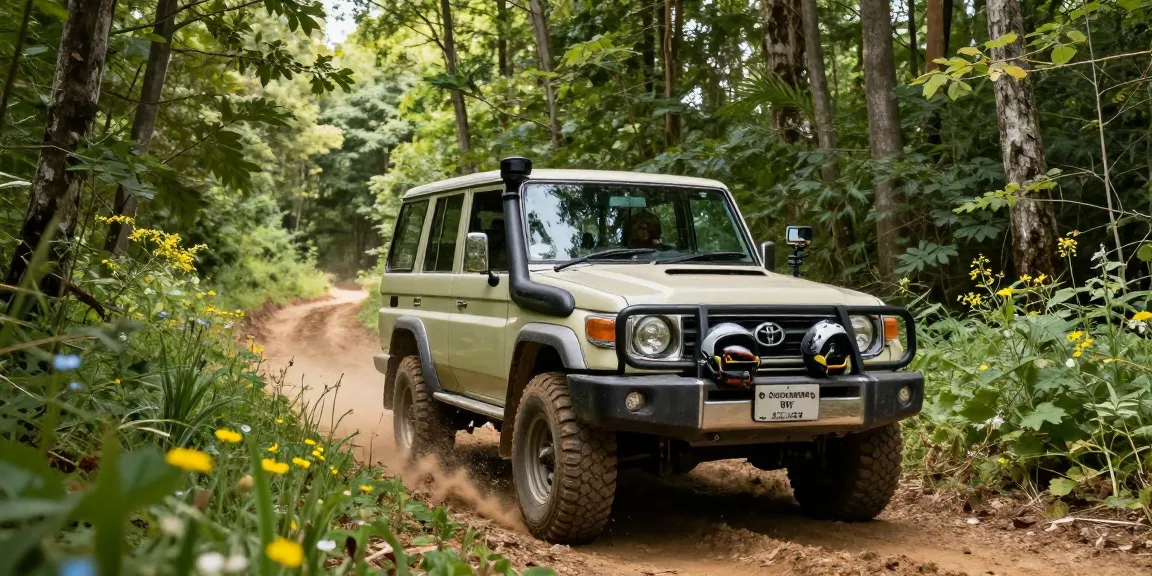
Off-roading is more than just a hobby; it’s a lifestyle for many adventurers like David Vepraskas Atlanta, who find freedom and exhilaration on rugged terrains. As someone who has spent considerable time navigating dirt bike trails and the rocky paths of his beloved Toyota Land Cruiser, David has cultivated a wealth of knowledge about what makes off-roading not only enjoyable but safe. Whether you’re a newcomer or a seasoned rider, understanding the core elements of off-road riding will significantly enhance your experience.
What Makes Off-Road Riding Unique?
Off-road riding differs from traditional vehicle operation primarily through its emphasis on navigating unpaved, uneven, and challenging terrains. Unlike smooth city roads, off-road trails can include sand, mud, rocks, and steep inclines, all testing the capabilities of both rider and vehicle. The freedom of exploring nature’s obstacles fosters a sense of adventure, making it a cherished activity for outdoor enthusiasts.
Essential Gear for Every Off-Road Trip
Preparation is key for a successful off-road experience. Having the right gear can make all the difference. Essential items include:
- Protective Clothing: Helmets, gloves, and sturdy boots are non-negotiable safety items.
- Vehicle Recovery Gear: Items such as tow straps, winches, and shovels help in case of getting stuck.
- Navigational Tools: GPS devices or trail maps help keep you on the right path.
- First Aid Kit: Always be prepared for minor injuries or emergencies.
Safety Tips from David Vepraskas Atlanta
Engaging in off-roading demands attention to safety. David Vepraskas emphasizes the importance of being well-prepared before hitting the trails. For adequate preparation, consider exploring resources that provide insights into best practices and essential safety tips for both novice and experienced riders. One such resource is David Vepraskas Atlanta, which focuses on safety in off-roading adventures.
Pre-Trip Preparations and Checklists
Before setting off, thorough preparation is crucial. A checklist can help ensure no vital equipment is left behind. Here are key points to include:
- Inspect your vehicle for any needed repairs.
- Review your gear and pack accordingly.
- Plan your route and inform someone about your trip.
- Check weather conditions to anticipate any challenges.
Understanding Terrain and Weather Conditions
Knowledge of the terrain is vital. Different environments require different approaches. For example, sand pits demand momentum, while rocky paths require careful navigation. Additionally, understanding weather conditions can prevent accidents; wet trails can be slippery, increasing the risk of skidding or rollover.
Communication and Emergency Planning
Establishing communication protocols with your party can be a lifesaver. Carrying two-way radios can facilitate communication in areas without cell service. Moreover, preparing an emergency plan detailing how to respond in case of an accident is crucial for safety.
Exploring Off-Roading Techniques
Once you’re equipped and ready, mastering specific techniques can enhance your riding experience. Skilled riders know how to read the terrain and adjust their riding styles accordingly. Here are some fundamental techniques to develop:
Mastering Cornering and Braking
Cornering is an essential skill that can make or break your riding experience. Initiate by leaning your body towards the inside of the turn, which helps shift the vehicle’s center of gravity. Braking should be gradual; sudden stops can cause loss of control.
Tackling Hills and Descents Safely
When approaching hills, accelerate before the incline for power. On descents, shift your weight back to maintain traction on the rear tires and avoid rolling over. Practice on familiar trails before tackling steeper hills.
Handling Mud, Water, and Rocks Effectively
Each obstacle presents unique challenges. In muddy situations, maintain momentum and steer straight. For water crossings, evaluate depth and currents to ensure safety. When navigating rocky paths, focus on a path that avoids larger obstacles to minimize vehicle damage.
Family and Off-Roading: Balancing Fun and Safety
Off-roading can be a family-friendly activity, but it’s essential to balance fun with safety. David Vepraskas often encourages families to engage in this outdoor adventure, fostering not only enjoyment but vital communication and teamwork skills.
Involving the Family in Off-Road Adventures
When planning trips, involve family members in discussions about routes and activities. This engagement builds excitement and ensures everyone is on board with the adventure.
Age-Appropriate Off-Road Activities
Young children and inexperienced riders may require tailored activities suited to their skill levels. Consider child-friendly vehicles or less challenging trails that enable safe exploration.
Creating Safe, Lasting Memories Outdoors
Every excursion should prioritize safety while creating cherished memories. Document your journeys through photographs or journal entries to reflect on experiences and learnings.
The Future of Off-Roading in Atlanta
As off-roading continues to evolve, Atlanta is witnessing exciting trends that shape the future of this beloved pastime. From technological advancements to community initiatives, the landscape is changing rapidly.
Emerging Trends in Off-Roading Technology
New technologies are emerging that enhance safety and performance. Innovations such as advanced GPS systems, automated driving features, and vehicle diagnostics are becoming commonplace, improving overall off-road experiences.
Environmental Considerations and Sustainable Practices
As outdoor enthusiasts, it’s crucial to practice environmentally friendly techniques. Off-roading clubs and organizations focus on maintaining trails and sustainability practices to preserve nature for future generations.
Community Engagement and Local Off-Road Events
Community events provide opportunities for off-road enthusiasts to connect, share experiences, and participate in trail clean-ups or competitions. These gatherings foster a sense of camaraderie and shared passion for off-roading.
Frequently Asked Questions
What are the best off-road vehicles for beginners?
Beginner-friendly vehicles typically include lightweight models with manageable power, such as the Honda CRF125F or the Polaris RZR 170, which offer stability and control.
How can I ensure my vehicle is safe for off-roading?
Regularly inspect your vehicle’s tires, brakes, and suspension. Ensure your vehicle’s fluids are topped off and perform a thorough pre-trip check before hitting the trails.
What should I pack for a day of off-roading?
A typical packing list includes snacks, water, first aid kits, tools, recovery gear, and weather-appropriate clothing to address any potential situations.
How do I find the best off-road trails in Atlanta?
Researching local off-road clubs or using mapping apps focused on outdoor trails can help identify the best and safest routes around Atlanta.
What safety gear is essential for off-roading?
Essential safety gear includes a helmet, knee and elbow pads, gloves, and appropriate footwear to protect against injuries.

