Understanding the Importance of Continuous Learning in 2026
As we navigate through the complexities of modern society, the quest for knowledge has never been more vital. The landscape of learning is evolving rapidly, shaped by technological advancements and changing workforce demands. In 2026, the emphasis on continuous learning will not only enhance individual capabilities but also contribute significantly to organizational success. Understanding and adapting to these changes is essential for professionals eager to stay relevant in their fields. As the adage goes, “knowledge is power,” and in today’s fast-paced world, the ability to learn more effectively can be the key to unlocking new opportunities.
Why Lifelong Learning Matters Today?
Lifelong learning has transitioned from a personal choice to a professional necessity. With industries evolving due to advancements in technology, continuous education is crucial for maintaining competitive advantage. Professionals must embrace learning as an ongoing process rather than a finite goal. This shift not only keeps individuals updated with the latest trends but also enhances their adaptability in a constantly transforming job market.
Moreover, organizations benefit from cultivating a culture of learning, which leads to improved employee engagement, innovation, and productivity. Companies focusing on continuous training not only equip their workforce with essential skills but also attract and retain top talent. This dual advantage is critical in a world where skills can quickly become outdated.
The Evolution of Education in the Digital Age
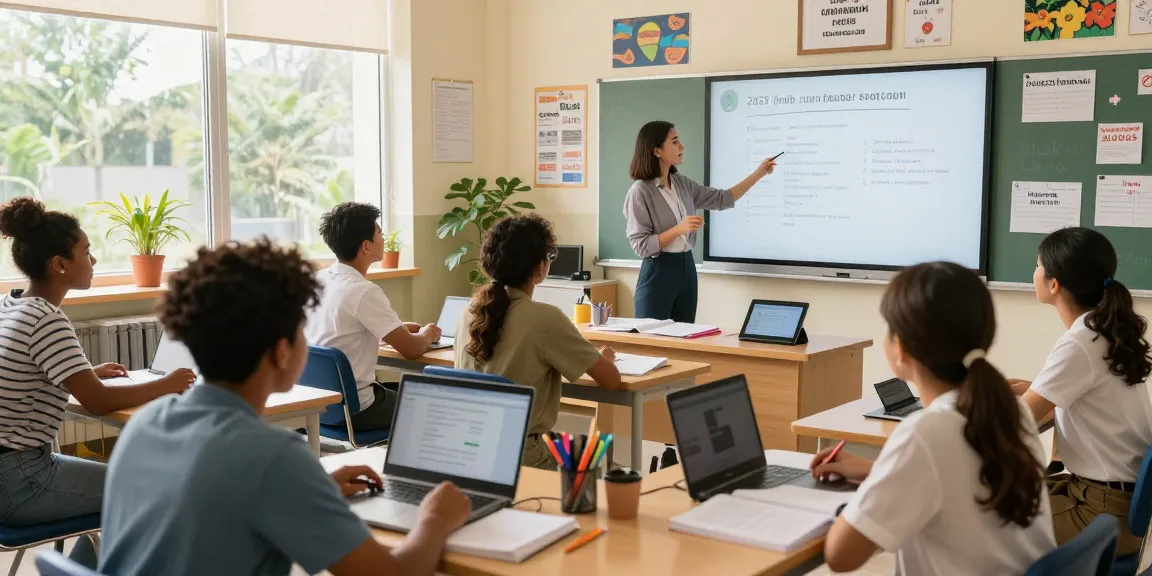
The traditional model of education, primarily classroom-based, is giving way to more flexible and accessible learning formats. The rise of online platforms and resources has democratized education, enabling individuals to access a wealth of knowledge regardless of their location or schedule. This evolution allows learners to tailor their educational experiences to their specific needs and preferences.
As technology continues to integrate into learning, tools such as artificial intelligence and machine learning are personalizing the educational journey. For instance, adaptive learning platforms analyze user performance to recommend customized learning paths, thus making education more efficient and effective.
Learning Trends to Watch in 2026
In 2026, several trends are set to redefine the educational landscape:
- Microlearning: Short, focused segments of learning catering to busy schedules are gaining popularity.
- Virtual Reality (VR) and Augmented Reality (AR): These technologies are providing immersive learning experiences, particularly in fields like healthcare, engineering, and education.
- Gamification: Incorporating game design elements into learning processes increases engagement and retention.
- Community Learning: Online communities and collaborative learning environments are fostering peer-to-peer education and support.
Exploring Various Learning Modalities
Online Learning Platforms: A Game-Changer
Online learning platforms have revolutionized access to education, offering a plethora of courses from institutions worldwide. With the ability to learn at one’s own pace, professionals can balance their work commitments with their desire for continuous education. Furthermore, many platforms now offer certifications, adding tangible value to the learning experience.
In-Person Workshops and Their Benefits
While digital learning offers flexibility, in-person workshops provide unique advantages such as direct interaction with experts and networking opportunities. Engaging face-to-face with peers can enhance understanding and foster collaboration, making it an essential component of a comprehensive learning strategy.
Combining Different Learning Approaches
The most effective learning strategies often incorporate a blend of online and offline methods. This hybrid approach allows learners to enjoy the flexibility of online resources while gaining the critical insights that come from real-world interactions. By combining various modalities, individuals can enhance their understanding and application of skills.
Key Skills to Develop Through Active Learning
Digital Literacy: Navigating Technology Effectively
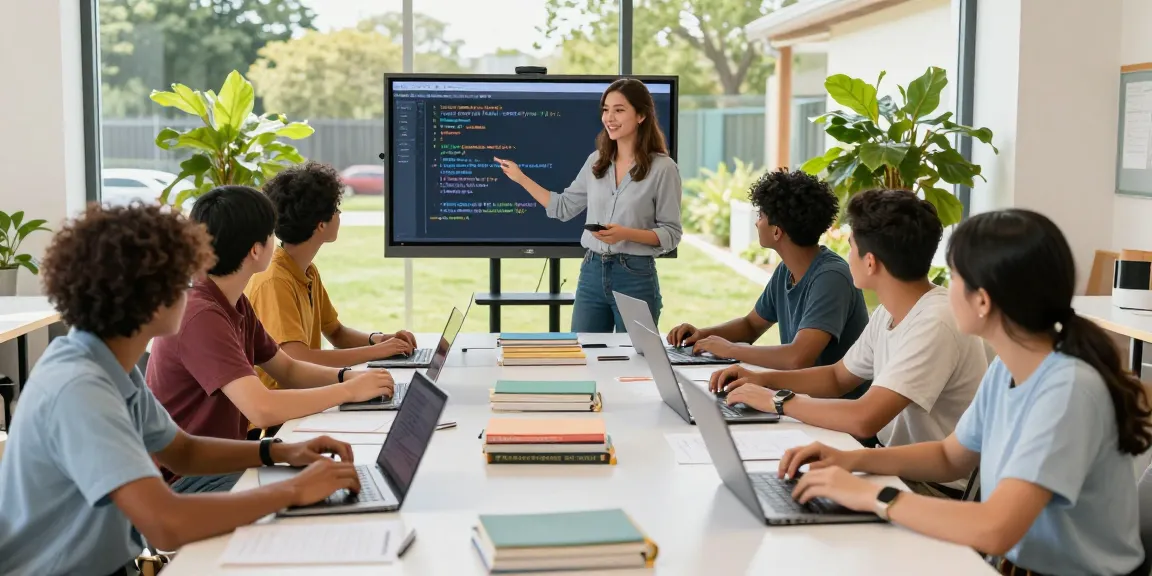
In an increasingly digital world, digital literacy has become a fundamental skill. Professionals need to be proficient in utilizing technology to communicate, collaborate, and create. This encompasses understanding digital tools and platforms, cybersecurity awareness, and the ability to evaluate online information critically.
Problem Solving and Critical Thinking Skills
As workplaces face unprecedented challenges, the ability to think critically and solve problems has become essential. Engaging with complex scenarios through case studies and real-world applications can sharpen these skills, preparing learners to tackle future challenges effectively.
Collaboration and Teamwork in Modern Learning Environments
Today’s workplaces require teamwork across various disciplines and locations. Learning environments that emphasize collaboration teach individuals how to work effectively with others, communicate ideas, and synthesize diverse viewpoints into cohesive solutions.
Barriers to Learning and How to Overcome Them
Identifying Common Obstacles
While the desire to learn is often present, various barriers can impede progress. These include time constraints, financial limitations, lack of motivation, and unclear learning paths. Recognizing these obstacles is the first step in addressing them effectively.
Strategies for Maintaining Motivation
To stay motivated, learners can set clear goals, create study schedules, and seek support from peers or mentors. Celebrating small achievements along the way also fosters a sense of progress, encouraging continued engagement.
Creating a Supportive Learning Environment
Building a supportive environment—whether at home, work, or within educational institutions—can significantly enhance the learning experience. This can include access to resources, mentorship programs, and a culture that values and encourages continuous education.
The Future of Learning: What Lies Ahead?
Emerging Technologies Shaping Education
As we look ahead, emerging technologies such as AI and blockchain are poised to impact education profoundly. AI can provide personalized learning experiences, while blockchain offers secure credentialing, thus revolutionizing how we validate skills and knowledge.
Predictions for Learning Opportunities in 2026
By 2026, learning opportunities will likely expand further, with virtual environments offering realistic simulations for training. The integration of AI will create tailored programs that adapt to individual progress, making learning more efficient than ever.
How to Stay Ahead in a Rapidly Changing World
Staying ahead requires a proactive approach to learning. Engaging with the latest trends, networking with industry professionals, and seeking continuous feedback will empower individuals to adapt and thrive in an ever-changing landscape.
What Are the Best Resources to Learn More?
As the demand for continuous learning grows, numerous resources are available. Online platforms, community workshops, and industry conferences are excellent places to expand knowledge. For more comprehensive insights on learning strategies, you can learn more about the latest trends and resources.
How Can Learning Communities Enhance Your Experience?
Joining learning communities can significantly enrich your knowledge acquisition. They provide a platform for sharing experiences, accessing resources, and gaining support from others who share similar goals. These interactions can lead to collaborative projects, mentorship opportunities, and lifelong friendships.
What Skills Are Most Valued in 2026?
As industries evolve, the skills in demand will also shift. In 2026, skills such as data analysis, cybersecurity, and emotional intelligence will be highly sought after. By focusing on these areas, learners can position themselves as valuable assets in the job market.
How to Measure Learning Outcomes Effectively?
Measuring learning outcomes involves setting clear objectives and using various assessment techniques. Feedback from peers, self-assessment, and tracking progress through digital platforms are effective ways to evaluate growth and understanding.
What Role Does Collaboration Play in Learning?
Collaboration is an integral component of modern learning. It encourages diverse perspectives, fosters critical thinking, and enhances problem-solving abilities. By working together, learners can leverage each other’s strengths to achieve common goals, leading to a richer educational experience.